
Restoring Your Home: A Guide to Remodeling After Water Damage Caused by Flooding

Water damage caused by flooding can be devastating for homeowners, leaving them with the daunting task of restoring their properties. However, amidst the chaos and stress that a flood can bring, it’s essential to remember that with proper planning and guidance, you can rebuild your home and perhaps even turn it into an even better space than before. In this blog post, we’ll provide you with a comprehensive guide on how to remodel after water damage caused by flooding, ensuring a successful and efficient restoration process.
1. Safety First
Before starting any remodeling or restoration work, ensure that the affected areas are safe. Inspect the structural integrity of your home and address any immediate safety hazards. If necessary, consult a professional to assess the stability of the foundation, walls, and electrical systems.
Your financial safety and risk are also an important element to stay aware of and take necessary precautions. Verify that your contractor and their subcontractors are licensed, bonded, and insured on all fronts by asking for certificates. Ensure that their contract releases you of liability, and that their certificates have the appropriate liability and workers compensation coverage for anyone working in your home.
2. Stay Organized and Communicate
Maintain a detailed record of all certificates, expenses, documents, and permits related to the remodeling process as you go. Regularly communicate with your contractors, insurance company, and any other relevant parties to ensure a smooth and efficient restoration journey. Transparency and clear communication are key to successful remodeling after water damage.
3. Document the Damage
Take detailed photographs and videos of all the affected areas before starting the restoration process. This documentation will not only help you when filing insurance claims but also serve as a reference point for your remodel project. Caption each photo with the location in your home, the items damaged, and the date of the picture.
4. Water Removal and Drying
The first step in the restoration process is to remove all standing water and dry out the affected areas. Use professional-grade water extraction equipment and industrial fans or dehumidifiers to accelerate the drying process. Ensure that all moisture is thoroughly eliminated to prevent any mold growth and further damage.
5. Assess and Repair
Once the affected areas are dry, inspect any water-damaged areas for potential early signs of mold as a precautionary measure, and then fully assess the extent of the damage. Identify areas that require repair or replacement, such as damaged flooring, walls, insulation, and electrical systems. It’s advisable to seek the assistance of experienced contractors who specialize in water damage restoration to ensure a thorough assessment and accurate cost estimation.
6. Mold Remediation
As mentioned earlier water damage often leads to mold growth, and this can pose serious health risks. Again conduct a thorough inspection for mold and take appropriate measures for remediation. This may involve removing affected materials, sanitizing surfaces, and improving ventilation. If the mold growth is extensive, consult with mold remediation professionals to ensure proper and safe removal.
7. Plan for Improved Layout and Design
While unfortunate, water damage can also present a great opportunity to rethink and improve the layout and design of your home. Consider working with an architect or a professional remodeling contractor to explore possibilities for enhancing the functionality and aesthetics of your space. This is a perfect time to look for ways to incorporate better flood prevention measures, such as elevating critical utilities and investing in flood-resistant materials, as well as installing flood alarms and monitoring systems.
8. Select Quality Materials
When remodeling after water damage, you should opt for high-quality materials that are durable and resistant to future water-related issues versus the cheapest option. For example, consider moisture-resistant flooring options like porcelain tile or luxury vinyl planks and water-resistant drywall for walls. Discuss with your contractor which materials would be most suitable for your specific needs.
Remodeling after water damage caused by flooding can be a challenging task, but with the right approach and professional guidance, you can turn adversity into an opportunity to create a more resilient and beautiful home. Remember to prioritize safety, document the damage, conduct thorough assessments, and plan for improved layouts and materials. By following these steps and working closely with experienced professionals, you’ll be on the path to restoring your home and making it better than ever before.
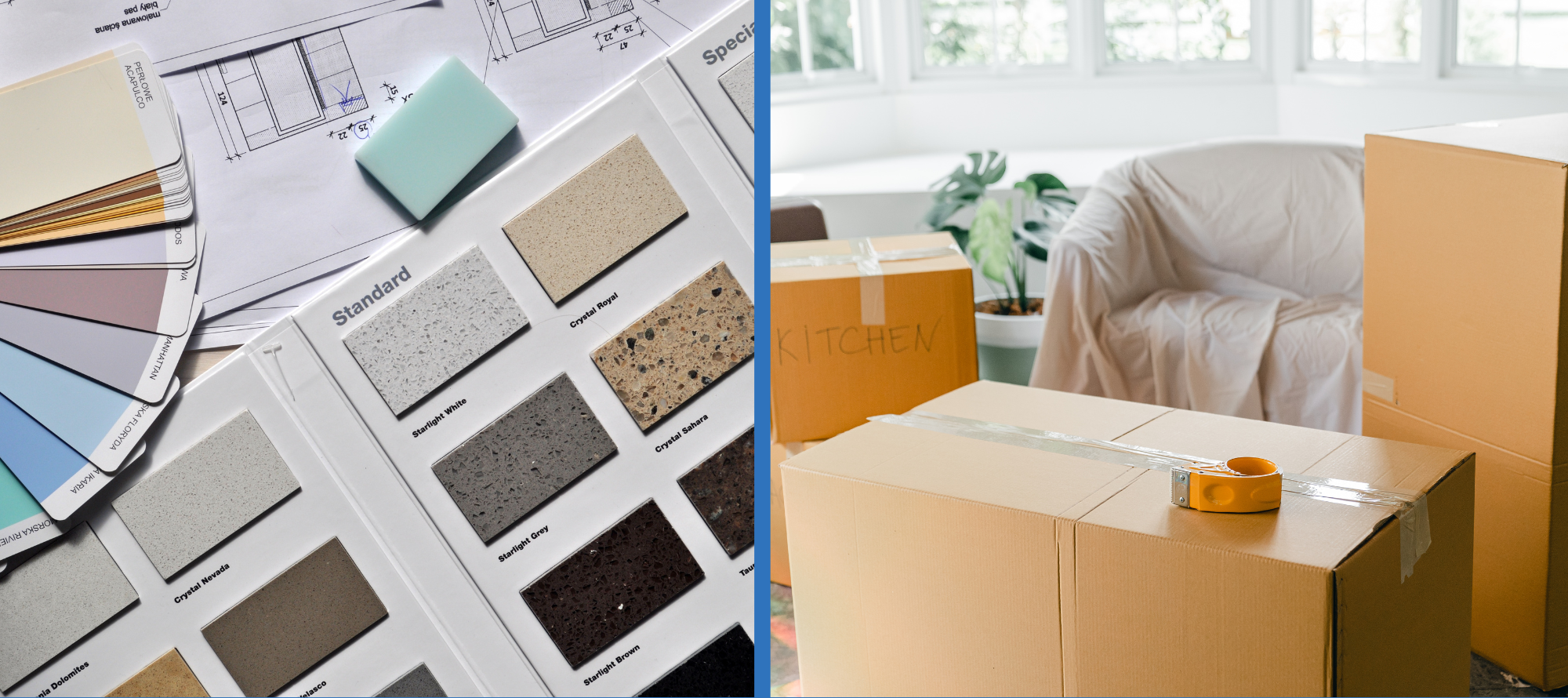
To Move or Not to Move? 6 Reasons Utah Homeowners are Remodeling Instead of Relocating
Utah ranks 5th in the nation when it comes to states people don’t want to move away from, and for good reason. Renowned for its beautiful scenery, booming economy, and great schools, Utah is a fabulous place to buy a home and build a life. As you build that life however, your needs shift and…

Integrating Smart Devices and Systems in Home Renovations
Today’s home renovations aren’t just about new paint, countertops, or flooring anymore–more homeowners are embracing smart devices and integrated systems as a vital part of their remodeling plans. Whether you’re updating a single room or doing a whole-house overhaul, the benefits of incorporating smart technology into your plans are dramatic. Here are four of the…
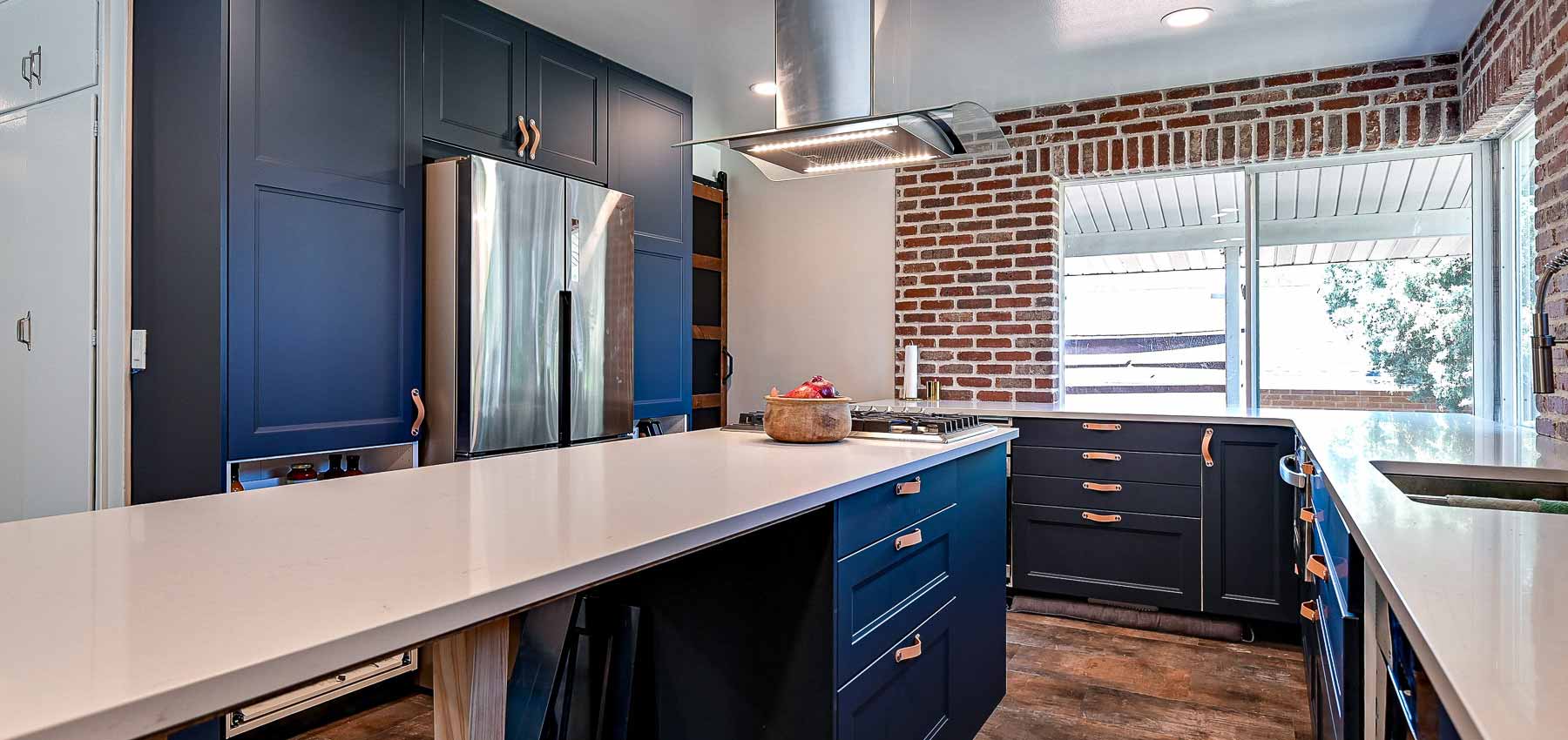
The Hidden Costs of Hiring the Wrong Remodeler: How Lack of Transparency Can Destroy Your Renovation Budget
You thought you were getting a great deal—until the “extras” started piling up. You planned and saved for your dream remodel for years. You made sure to get multiple bids and found a remodeler whose estimate fit your budget and who could finish the project in the time you had available. You signed a contract…
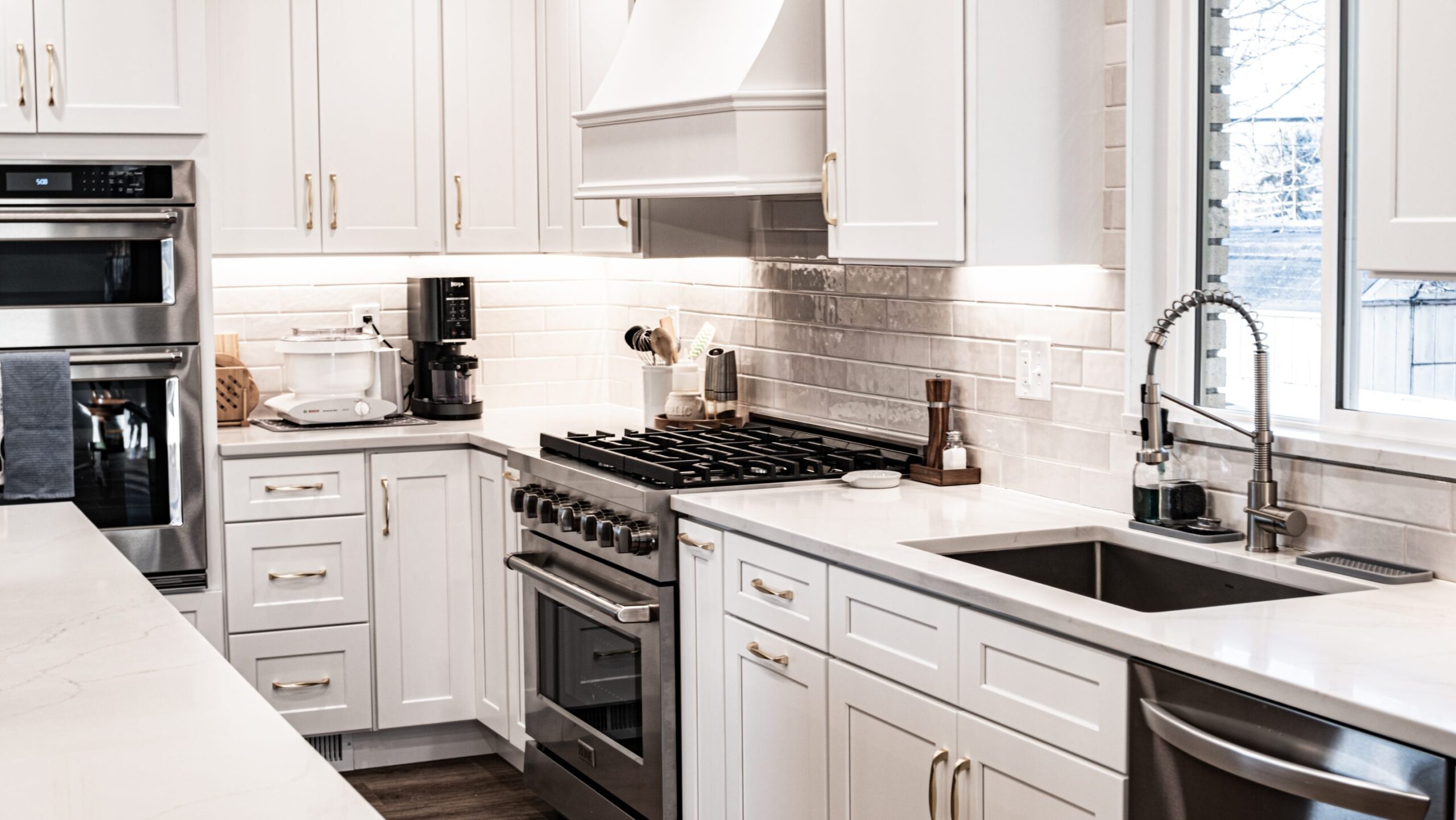
Kitchen Remodel Trends of 2025
Kitchen Remodel Trends of 2025: What’s Hot and What’s Not According to Houzz Kitchen Trends Study When it comes to gathering together with family or friends, the kitchen is the heart of the home. And with how much time you spend in the kitchen, you deserve to have it be a space that is both…

The Cost of Remodeling a Home in Utah
The Cost of Remodeling a Home in Utah: Explore average renovation costs, key budget factors, and expert tips to plan your remodel with confidence.
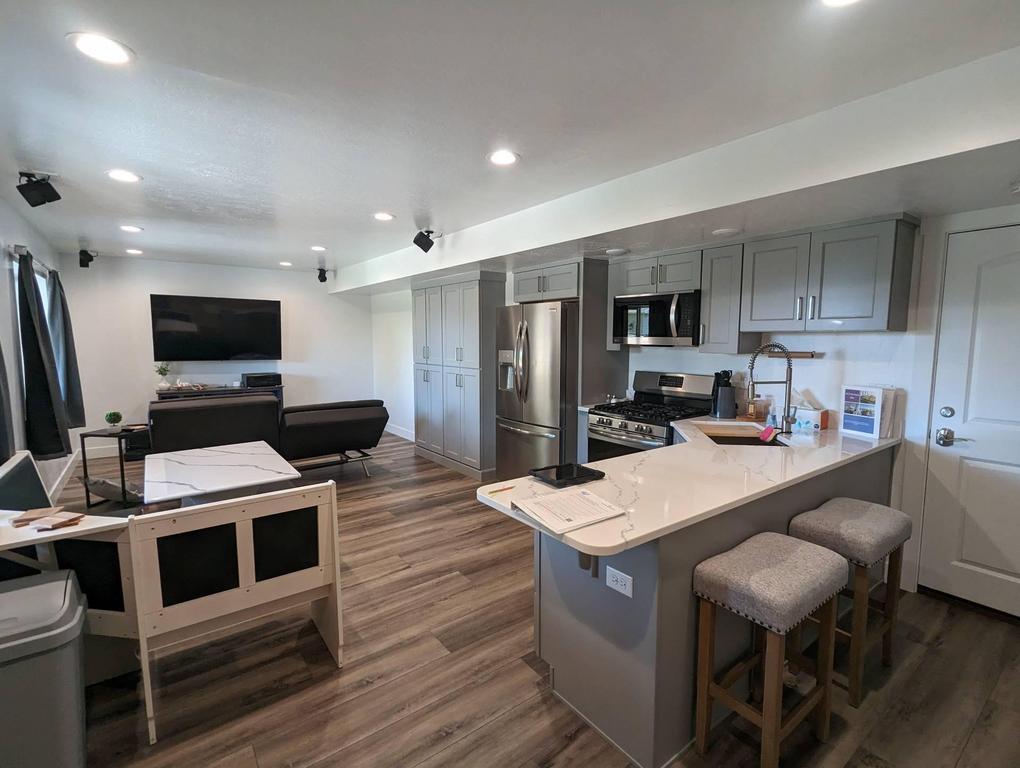
Want Your Remodel to Pay for Itself? How to Transform Part of Your Home into a Vacation Rental
Thinking about remodeling part of your home as a short-term rental? 5 things to keep in mind before you begin any renovations.

Aging in Place and Universal Design: Creating Safe, Accessible, and Comfortable Homes for All Ages
Need to improve your home’s accessibility and safety? The principles of universal design are here to help.
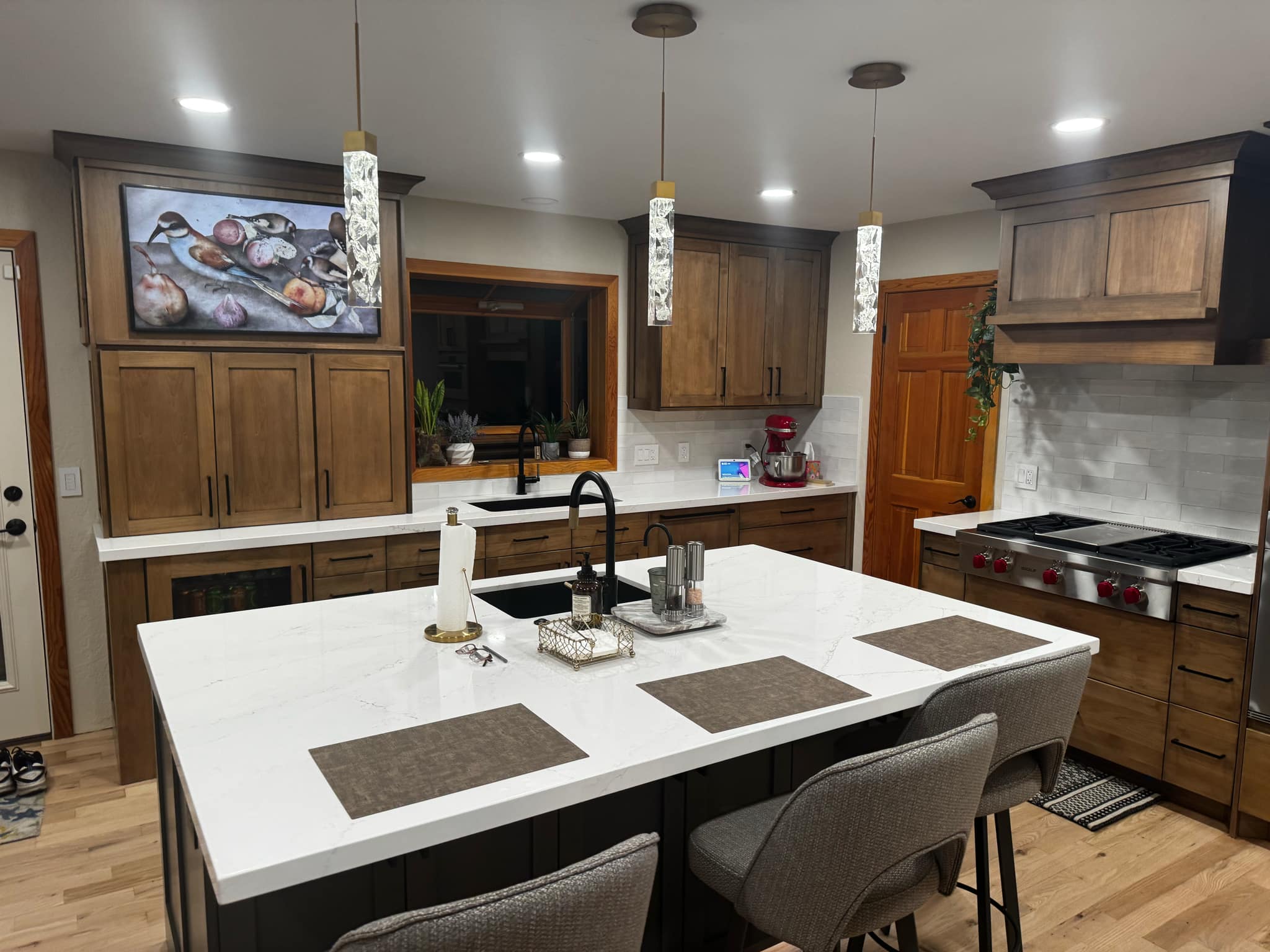
Top Kitchen Renovation Trends for 2025
Thinking about remodeling your Utah kitchen? Check out these top kitchen renovation trends for 2025!
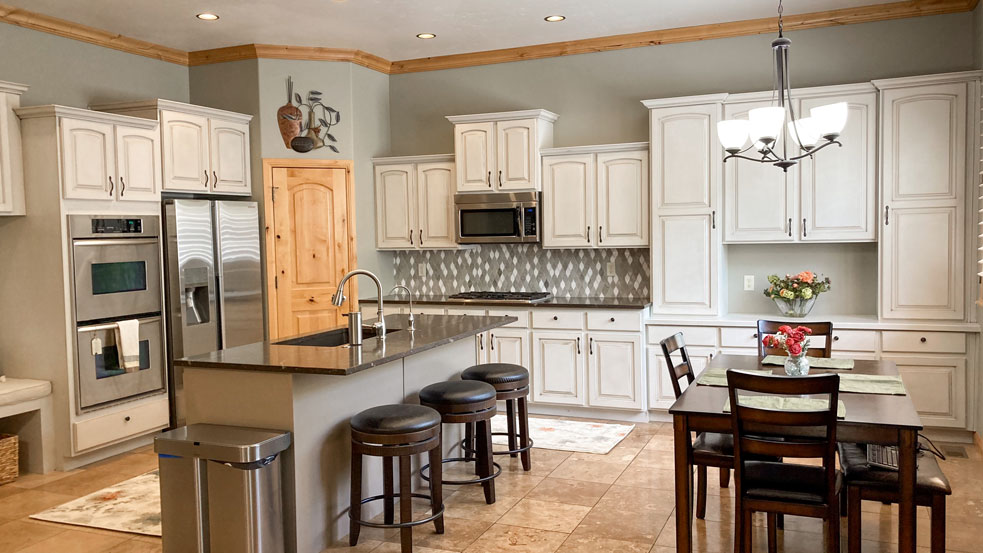
The Cost of Remodeling Your Kitchen in Utah
Embarking on a kitchen remodel is an exciting venture that promises to breathe new life into one of your home’s most lived-in areas. However, it also represents a significant investment that requires careful planning and consideration. At Utah Home Remodel Experts, we understand that budget plays a critical role in the decision-making process. Let’s review…
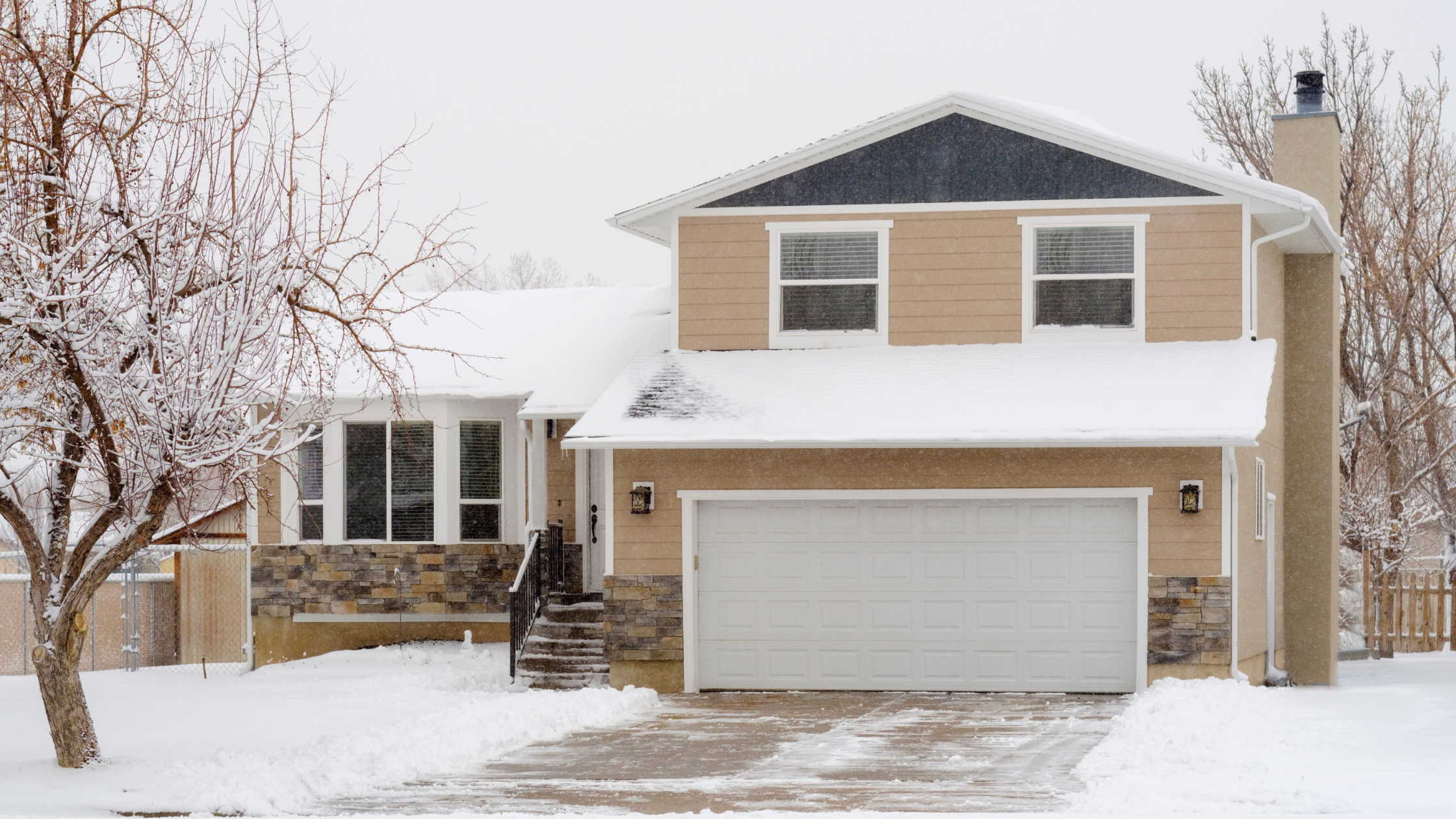
Winter Home Maintenance Tips for Utah Homeowners
Looking to winterize your home? Check out the winter maintenance tasks you can’t afford to forget.